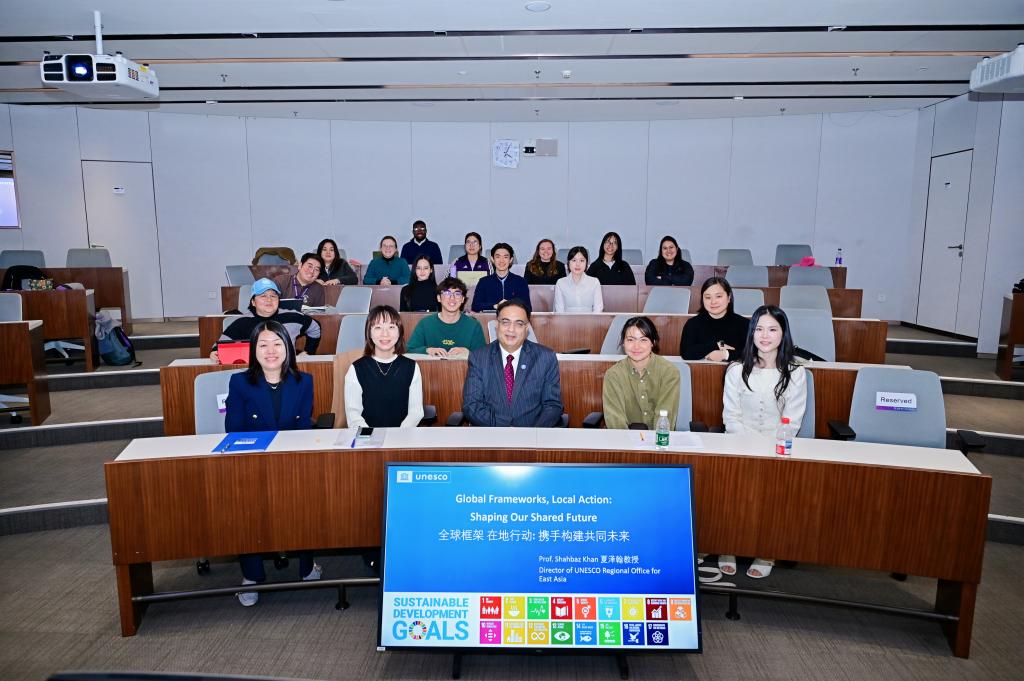
Professor Shahbaz Khan, Director of the UNESCO Regional Office for East Asia and UNESCO Representative to the Democratic People’s Republic of Korea, Japan, Mongolia, People’s Republic of China, and the Republic of Korea, visited the School of Economics and Management, Tsinghua University on March 19, 2026. The lecture, titled “Global Frameworks, Local Action: Shaping Our Shared Future” is included in the “International Organizations Lecture Series” of the Cyrus Tang Center for Student Global Development.
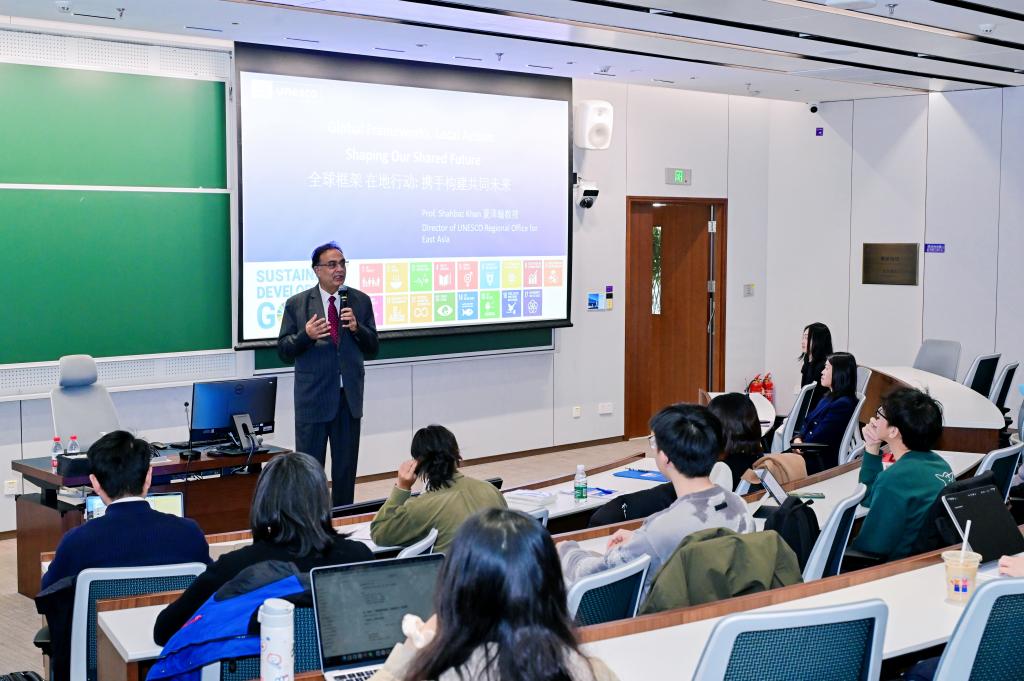
Professor Khan addressed the importance of global governance frameworks in the face of contemporary challenges related to peace, sustainable development, and dialogue among civilizations. He emphasized that while global frameworks provide common direction for international cooperation, their realization ultimately depends on concrete action at the national, local, and community levels.
Professor Khan also introduced UNESCO’s work across the fields of education, science, culture, communication, and information. He noted that UNESCO serves not only as a platform for international cooperation, but also as an important force in promoting new ideas and advancing international norms. Drawing on examples from China and worldwide, he shared UNESCO’s efforts in world heritage protection, biosphere reserves, educational innovation, girls’ and women’s education, and youth participation. He encouraged young people to actively shape a more inclusive, sustainable, and peaceful future.
Artificial intelligence and ethics also formed an important part of the lecture. Professor Khan discussed key principles in AI governance, including safety, fairness, non-discrimination, privacy protection, transparency, accountability, and human oversight. He encouraged students to consider not only the technological promise of AI, but also its environmental costs, governance implications, and broader social impact. He also underscored the importance of open science and knowledge sharing. These topics closely aligned with the event’s broader emphasis on global competence, interdisciplinary understanding, and youth engagement.
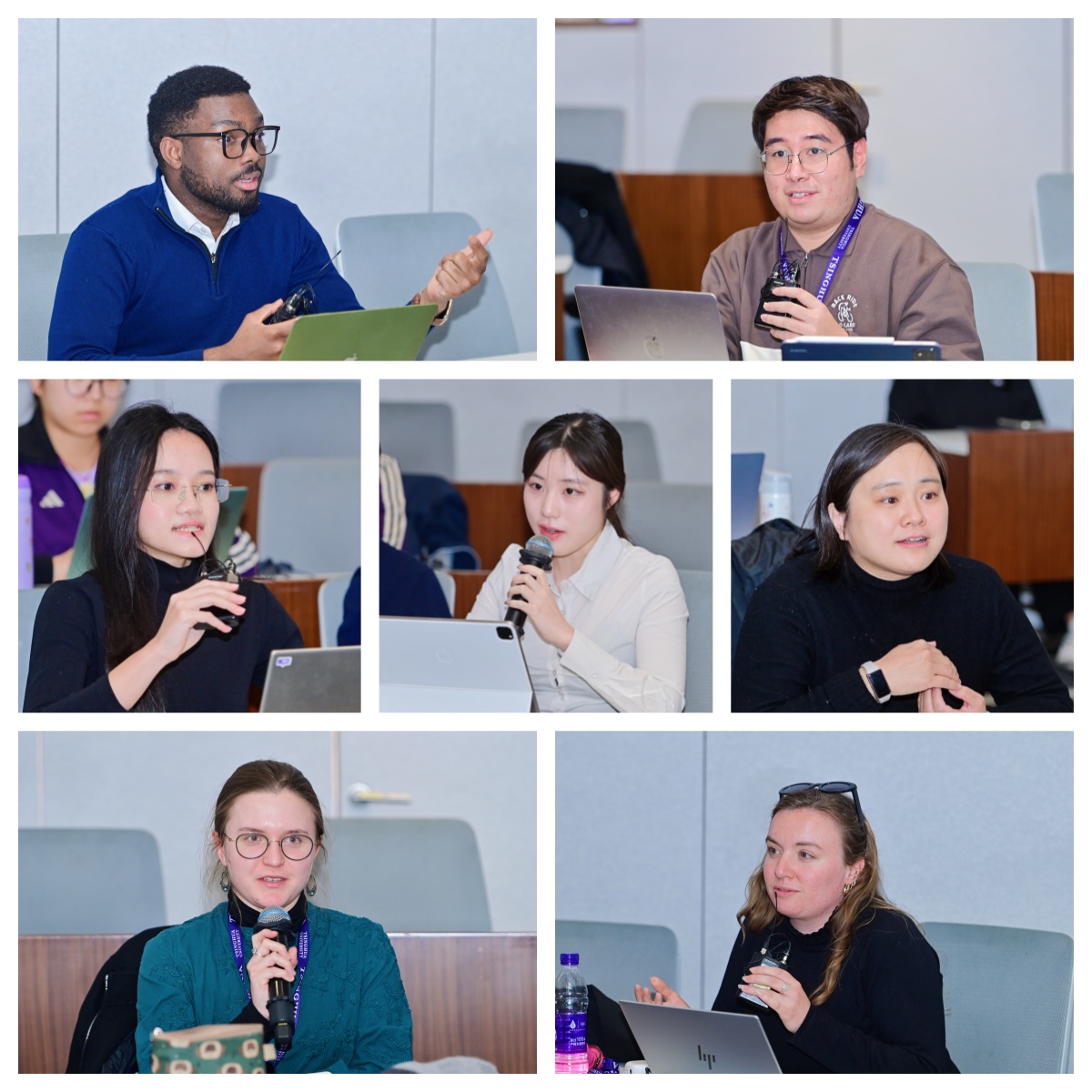
During a Q&A session, students raised questions on topics such as the protection of cultural heritage in conflict zones, the use of digital technology and artificial intelligence in safeguarding intangible cultural heritage, and pathways for young people to pursue careers in international organizations. Professor Khan encouraged students to broaden their global perspectives, strengthen interdisciplinary learning, and engage actively with issues of international cooperation and global development, while reflecting on how individual action can contribute to addressing real-world challenges.
 中文
中文
 Search